Garden maintenance costs
Garden maintenance pricing is highly variable. Every garden is different, and the cost depends on its size, the plants in it, what you need done, and how often. Because of this, we don’t publish set prices - instead, every garden is priced and detailed in our free quote, so you know exactly what’s included and what it will cost.
What affects the cost of garden maintenance
- Garden size. Larger gardens simply take longer to mow, trim, weed and tidy.
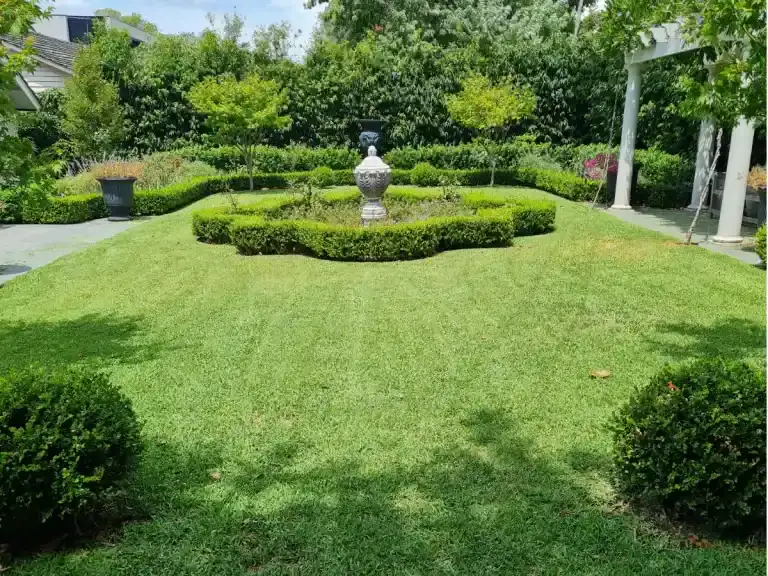
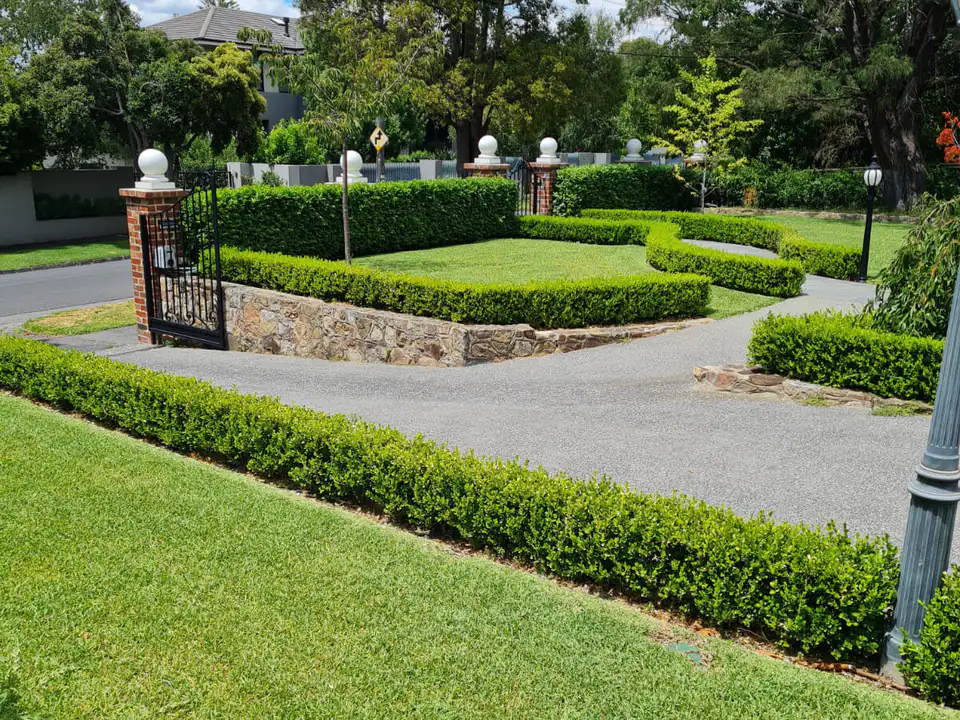
- Types of plants. Formal hedges, topiary, roses and large lawns need more time than low-maintenance native beds.
- Requirements. Just mowing and edging, or full care including pruning, feeding, weed and pest control?
- Visit frequency. Weekly, fortnightly or monthly visits each suit different gardens and budgets.
- Condition. An overgrown garden may need a one-off clean-up before regular maintenance starts.
- Access. Steep blocks, narrow side paths and stairs affect how long each visit takes.
- Green waste. The volume of clippings and whether we take them away or use your green bin.
Tip: regular visits keep each visit efficient
A garden maintained on a regular schedule never builds up the backlog of weeds and overgrowth that makes a one-off clean-up a bigger job. See our garden maintenance plans.
Landscaping costs
Landscaping projects can range anywhere from a few thousand dollars for basic, single-aspect projects, all the way to $100,000+ for full design-and-build of boutique, custom gardens.
What affects the cost of landscaping
- Size and scope. A single new garden bed is a very different job to a complete backyard rebuild.
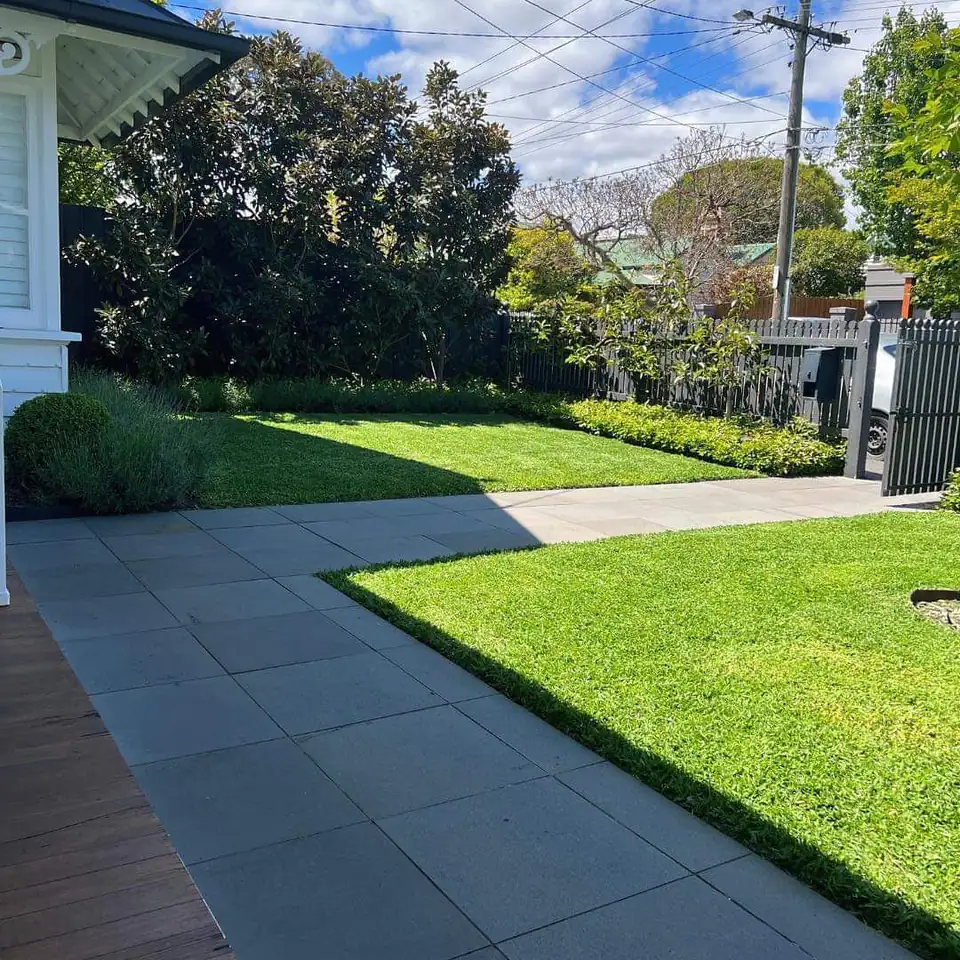
- Materials. Natural stone like bluestone or granite costs more than concrete pavers; hardwood costs more than treated pine.
- Site access. If machinery can’t get in, soil and materials are moved by hand. On our Hampton project everything came and went by wheelbarrow.
- Demolition and removal. Removing old paving, concrete, structures or soil adds labour and disposal costs.
- Earthworks and drainage. Levelling, excavation and drainage are often invisible in the finished garden but essential.
- Walls and structures. Retaining walls, steps and structures - and any permits or engineering they need.
- Plant sizes. Mature, advanced plants give instant impact; smaller plants cost less and grow in over time.
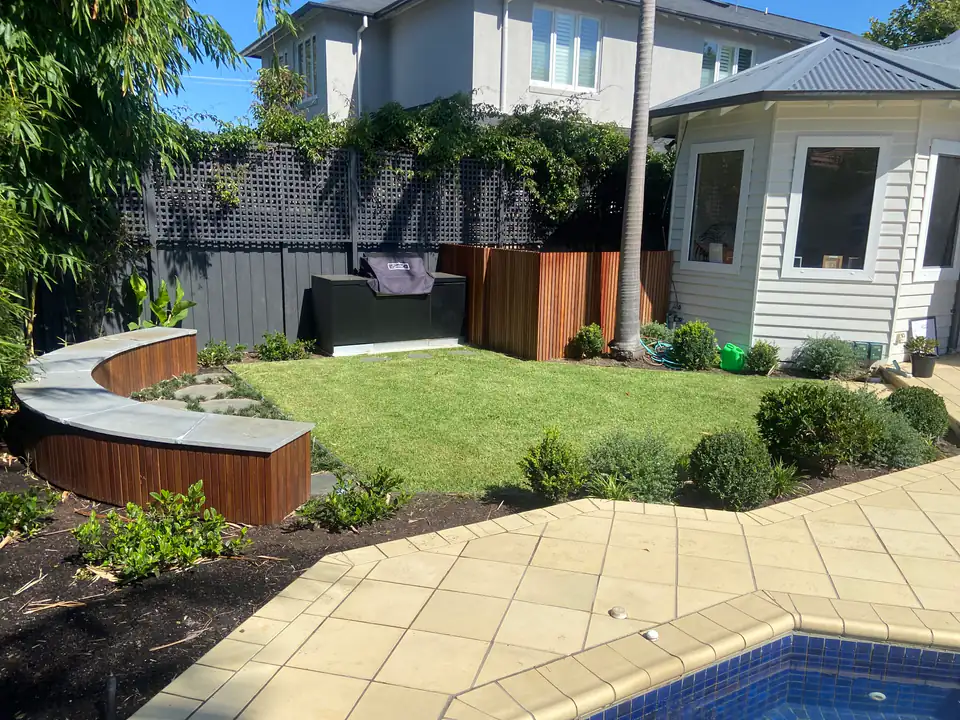
- Extras. Irrigation, lighting, water features and custom joinery such as seating or screens.
See real examples in our case studies, or read about our landscape design and construction process.
Making your budget go further
- Start with a plan. A design - even a simple one - avoids costly changes halfway through a build.
- Build in stages. Do the structural work (drainage, walls, paving) first, and add planting, lighting or features later.
- Plan pipes and cables early. Running irrigation and lighting conduit before paving goes down saves lifting it later.
- Mix materials. Use premium stone where it’s seen most, and cost-effective materials elsewhere.
- Keep what works. Established trees, good hedges and sound paving can often stay.
- Choose plant sizes wisely. Advanced plants where you need instant impact, smaller plants where you can wait.
What’s in our free quote
We visit the garden, talk through what you want and your budget, and then provide a detailed quote covering the work, materials and timing - so there are no surprises. Request your free quote.