Melbourne's weather is famously changeable, but the gardening year follows a reliable rhythm. Use this seasonal checklist to keep lawns, hedges and garden beds healthy - and adjust for your soil, which varies a lot between suburbs.
Spring
September – November
Growth takes off. Feed, plant and get the garden ready before summer heat arrives.
- Fertilise lawns with a slow-release lawn food as they green up, and start mowing regularly - never take off more than a third of the leaf at once.
- Prune spring-flowering shrubs such as azaleas and camellias straight after they finish flowering.
- Plant natives, shrubs and perennials while the soil is moist and warming. Tomatoes traditionally go in around Melbourne Cup Day (early November).
- Tackle weeds early, before they flower and set seed.
- Check and service irrigation systems before the first hot spell, and top up mulch to 50–75mm deep.
- Watch new growth on roses for aphids.
Summer
December – February
Protect plants from heat and dry northerly winds, and water efficiently.
- Water deeply and less often, early in the morning, rather than a light daily sprinkle. Follow Melbourne’s Permanent Water Use Rules.
- Raise your mowing height so the grass shades its own roots.
- Keep mulch topped up, but pulled back from stems and trunks.
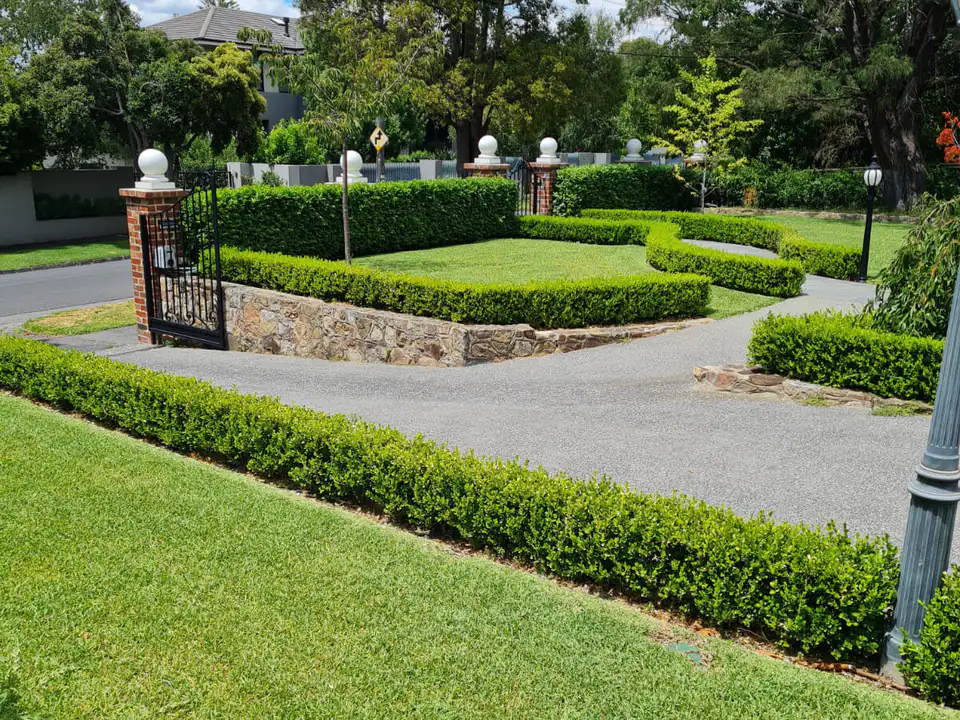
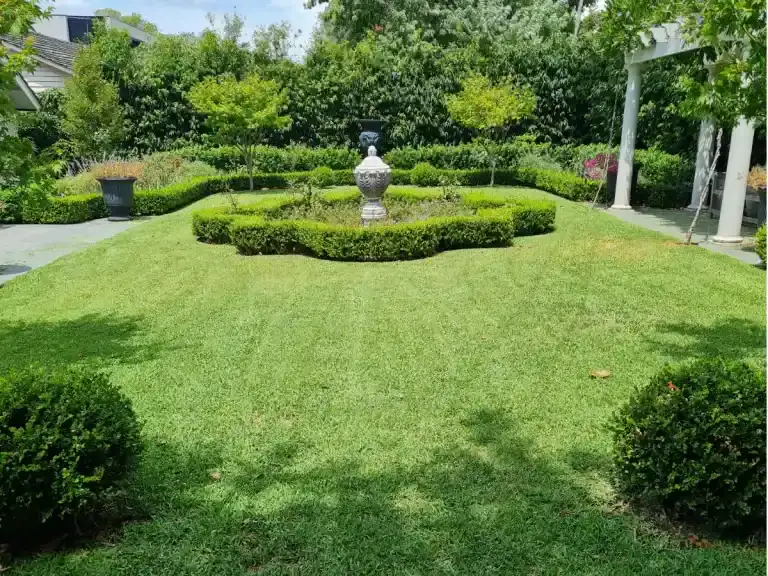
- Give hedges light shaping trims; avoid heavy pruning during heatwaves.
- Deadhead roses and perennials to encourage repeat flowering.
- Sandy Bayside soils dry out fastest - a soil wetting agent helps water soak in instead of running off.
Autumn
March – May
The best planting season of the year: the soil is still warm and rain becomes more reliable.
- Plant trees, shrubs and hedges so roots establish before winter.
- Aerate, top-dress and overseed cool-season lawns (tall fescue, ryegrass). Warm-season lawns like Buffalo and Couch are best renovated in late spring.
- Give hedges their final trim of the season before growth slows.
- Rake leaves off lawns - especially under the big deciduous trees of Boroondara - and compost them.
- Plant spring-flowering bulbs.
- Clear gutters, drains and pits before the winter rain.
Winter
June – August
Dormant season: prune, plant bare-rooted stock, fix drainage and plan spring projects.
- Prune roses (July is the traditional month in Melbourne), hydrangeas and deciduous fruit trees while they are dormant.
- Plant bare-rooted roses and fruit trees, which are sold in winter.
- Check drainage. Clay soils in Boroondara and northern Glen Eira can waterlog - avoid walking on or digging wet clay, which compacts it.
- Mow less often and a little higher. Warm-season lawns going pale in winter is normal.
- Plan and book spring landscaping work now - construction projects often need several weeks of lead time.
Soil by area
The same advice plays out differently depending on your soil. Here's what we find across our service areas:
Bayside
Sandy loam that drains fast and holds few nutrients. Add organic matter, mulch well, use drip irrigation and choose salt- and wind-tolerant plants near the coast.
Boroondara
Heavier clay that holds nutrients but can waterlog. Prioritise drainage, avoid compaction, and choose plants that tolerate wet winters and shade under mature trees.
Glen Eira
Sandy "Sandbelt" soils in the south and heavier soils further north - check which you have before choosing plants and irrigation.
Stonnington
Established, often rich garden soils with mature trees. Focus on canopy management, formal hedge care and feeding lawns in competition with tree roots.
Rather leave it to us? Our garden maintenance plans build all of this into a regular schedule.